
Understanding Wisdom Teeth & Common Issues
If you don’t already know someone who has had their wisdom teeth removed, you undoubtedly know someone who knows someone. Wisdom teeth are often referred to as troublesome for a reason, as they can cause significant discomfort despite being teeth we no longer rely on. At Killara Dental, we provide wisdom tooth removal in East Killara, supporting patients across the North Shore and surrounding suburbs with assessment and treatment of problematic wisdom teeth.
The wisdom teeth, or third molars, are the last teeth to erupt in the mouth. They were once essential for chewing rough foods, but changes in jaw size mean there is often insufficient space for them to emerge properly. This can lead to impaction, crowding and infection. If your wisdom teeth are causing discomfort or you have concerns, you can book online or call (02) 9418 2502 to arrange a consultation with our team.
Phone
Opening Hours
- Monday
- -
- Tuesday
- -
- Wednesday
- -
- Thursday
- -
- Friday
- -
- Saturday
- -
- Sunday
- Closed

Frequently Asked Questions
When should wisdom teeth be removed?
Wisdom teeth may need to be removed if they are impacted, causing pain or affecting surrounding teeth. In some cases, removal may be recommended before symptoms develop to help prevent complications such as crowding, infection or damage to adjacent teeth. A dental examination, often supported by X-rays, is the best way to determine whether removal is necessary.
What are the signs that my wisdom teeth are causing problems?
Common signs of problematic wisdom teeth include pain at the back of the mouth, jaw discomfort, swelling, bad breath and difficulty opening or closing the mouth. Some people may also experience headaches or notice shifting of their teeth. These symptoms can vary, so a dental assessment is recommended to identify the cause and appropriate treatment.
How long does it take to recover from wisdom tooth removal?
Recovery after wisdom tooth removal is usually straightforward, with most people feeling more comfortable within a few days. Some swelling and mild discomfort are normal during the initial healing period. Following aftercare instructions, such as resting, avoiding certain foods and maintaining good oral hygiene, can help support faster healing and reduce the risk of complications.
Problems Caused by Wisdom Teeth
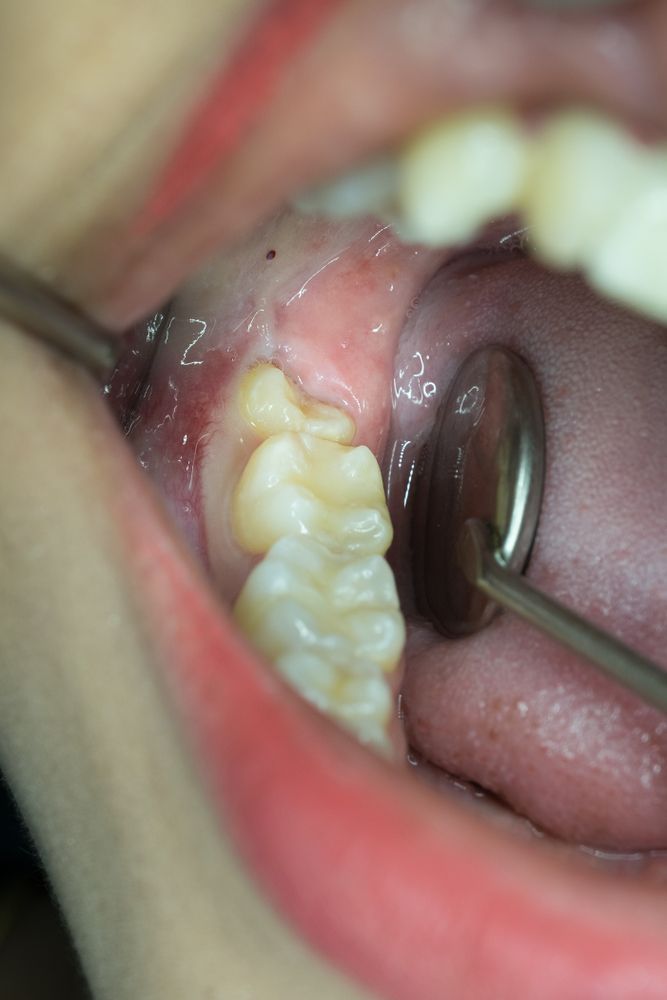
When wisdom teeth are ready to erupt, usually between the ages of 18–30, there is often little or no space for them to grow into. For this reason, they are frequently partially or fully impacted, meaning part or all of the tooth remains embedded in the jaw. This is a common issue that can result in a range of complications.
Common problems associated with wisdom teeth include:
- Pain in the back of the mouth
- Jaw strain and headaches
- Facial swelling
- Bad breath
- Shifting of teeth or crowding
- Difficulty opening and closing the mouth
- Difficulty speaking and eating
Wisdom teeth may also push against adjacent healthy teeth, potentially affecting their position and stability. These risks are why wisdom tooth removal may be recommended following a clinical assessment.
What to Expect During Treatment
Wisdom tooth removal at our East Killara clinic is generally completed in three routine stages:
- Consultation – This allows us to plan the access and removal of the tooth. The procedure may involve a simple in-clinic extraction or a surgical approach. We will also explain any pre-treatment guidelines, such as avoiding smoking or taking prescribed medication.
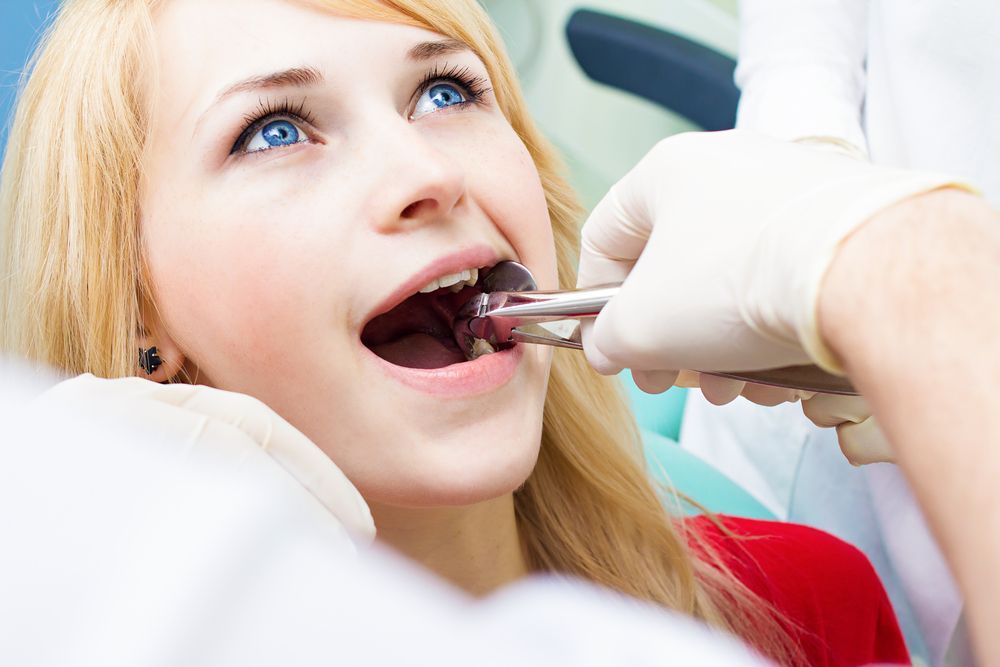
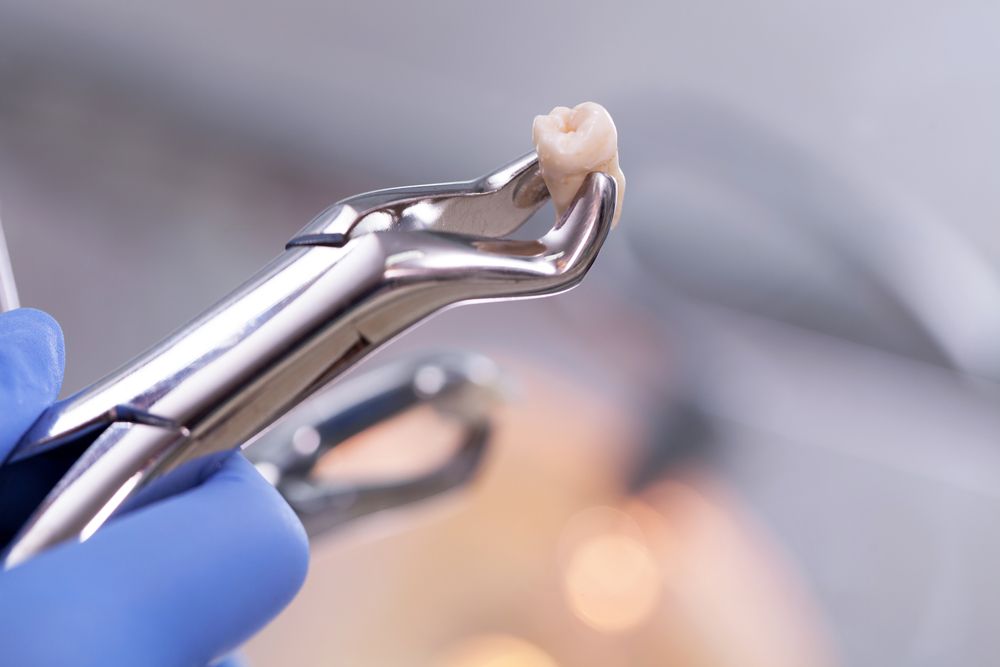
- Tooth Removal – After numbing the area, the extraction is performed. Simple extractions involve loosening the tooth and gently removing it from the socket, while more complex cases may require a small incision and removal of surrounding bone to access the tooth. The procedure is carried out with your comfort in mind.
- Wound Closure – Once the tooth is removed, the site may be sutured to help protect the area and reduce the risk of food debris or bacteria entering the socket.
Aftercare & Recovery Guidelines
After wisdom tooth removal, our focus shifts to supporting your recovery. Better and faster healing can be expected by following our aftercare instructions.
We may recommend resting for at least 24 hours after the procedure. It is important to avoid disturbing the blood clot that forms over the extraction site, as this supports healing. Disturbing the clot can lead to a condition known as dry socket.
We also advise avoiding smoking, drinking through a straw and brushing directly over the area until healing has progressed. Maintaining good oral hygiene and following our guidance will help support a smoother recovery.
Assessing Your Wisdom Teeth
The best way to determine whether wisdom tooth removal is required is to visit Killara Dental for an assessment. We evaluate the health and position of your wisdom teeth and may use full mouth X-rays (OPG) to identify teeth that are impacted or positioned beneath the gum or bone.