
Understanding Snoring & Sleep Apnoea
Not everyone who snores has sleep apnoea, and not all sleep apnoea sufferers snore. At Killara Dental, we assess individuals at our East Killara clinic who may be experiencing symptoms of sleep-disordered breathing.
Many signs and symptoms of obstructive airways and obstructive sleep apnoea are related to structures in the head and neck. Dentists are trained in this area and can help identify contributing factors that may be affecting breathing during sleep.
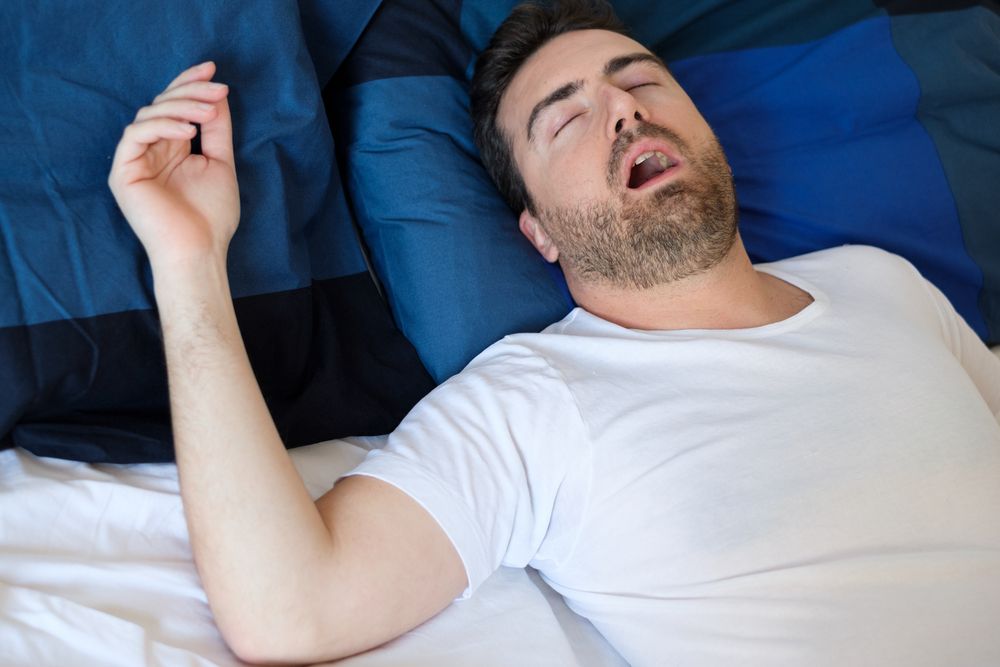
Signs and symptoms of sleep-disordered breathing may include:
- Snoring
- Witnessed apnoeas
- Choking or gasping for air during sleep, or a dry cough through the night
- Restless sleep or insomnia
- Waking up with headaches
- Feeling unrefreshed in the morning
- Poor concentration
- Impotence
- Breathlessness
- Excessive daytime sleepiness or fatigue
- Irritability or personality changes
- Alterations in alertness and memory
- Teeth grinding or clenching
- Painful TMJ
- Acid reflux
- Increased neck circumference
If you are experiencing any of these symptoms, a consultation can help determine whether further assessment or treatment may be appropriate. We support patients across the North Shore and surrounding suburbs – call (02) 9418 2502 or book online to arrange a consultation.
Phone
Opening Hours
- Monday
- -
- Tuesday
- -
- Wednesday
- -
- Thursday
- -
- Friday
- -
- Saturday
- -
- Sunday
- Closed
Frequently Asked Questions
What is the difference between snoring and sleep apnoea?
Snoring is a common condition caused by vibrations in the airway during sleep, whereas sleep apnoea is a more serious disorder where breathing repeatedly stops and starts. While snoring can be harmless, obstructive sleep apnoea may reduce oxygen levels in the body and disrupt sleep quality. Not everyone who snores has sleep apnoea, but persistent loud snoring combined with symptoms such as daytime fatigue or gasping during sleep may indicate an underlying condition that requires further assessment.
How is obstructive sleep apnoea diagnosed?
Obstructive sleep apnoea is typically diagnosed through a sleep study, which may be conducted at home or in a sleep clinic. This test monitors breathing patterns, oxygen levels, heart rate and other indicators during sleep. The results help determine the severity of the condition and guide appropriate treatment options. A thorough clinical assessment is often recommended alongside the sleep study to evaluate contributing factors related to the airway, jaw and surrounding structures.
What are the treatment options for sleep apnoea?
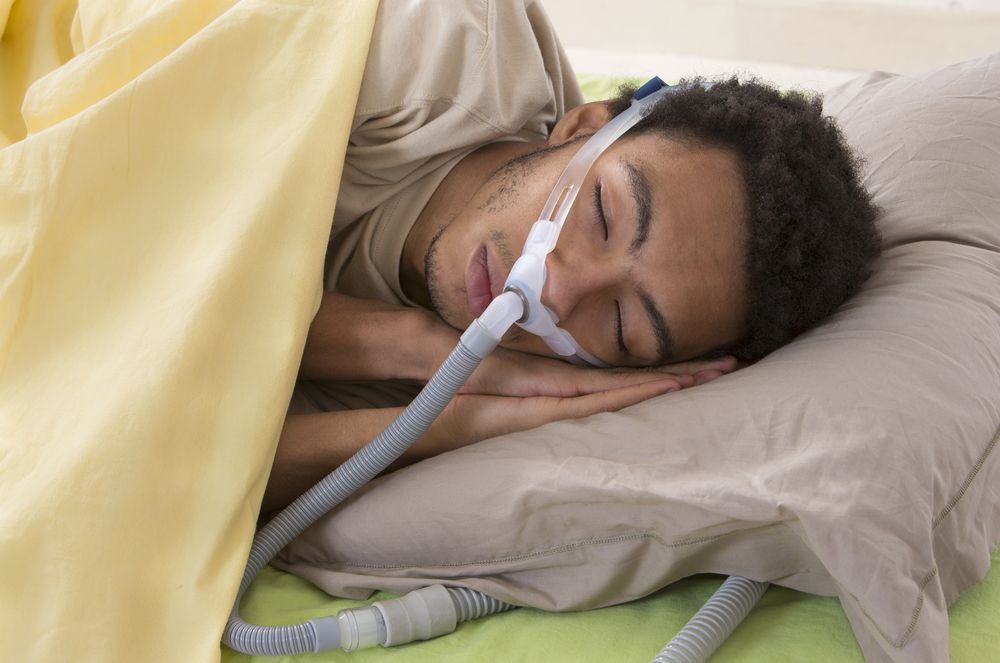
Treatment for obstructive sleep apnoea varies depending on the severity of the condition and individual needs. Common options include lifestyle changes such as weight management and sleep positioning, oral appliances like mandibular advancement splints and CPAP therapy, which uses pressurised air to keep the airway open during sleep. In some cases, surgical treatment may be considered. The goal of treatment is to improve breathing, reduce symptoms and support long-term health outcomes.
Risks of Untreated Sleep Apnoea
If left untreated, obstructive sleep apnoea can increase the risk of a number of serious health conditions, including:
- Hypertension
- Depression
- Heart attacks
- Falling asleep at the wheel, leading to motor vehicle accidents
- Impaired glucose tolerance and diabetes
- Cancer
Treatment Options for Sleep Apnoea
There are a number of different approaches to treating sleep apnoea. The most suitable option will depend on the severity of the condition, how it is affecting you and your lifestyle.
It is important to find a treatment that you can adapt to and use consistently. Many people with sleep apnoea discontinue treatment due to difficulties with comfort or compliance. If one option does not work for you, it is important to explore alternative treatments that may be more suitable.

Lifestyle Changes to Support Treatment
If you have been diagnosed with obstructive sleep apnoea, certain lifestyle changes may help improve your symptoms:
- Losing weight
- Exercising regularly
- Giving up smoking
- Reducing alcohol intake and avoiding tranquilisers or sleeping pills
- Sleeping on your side
- Keeping your nasal passages clear
Mandibular Advancement Splint
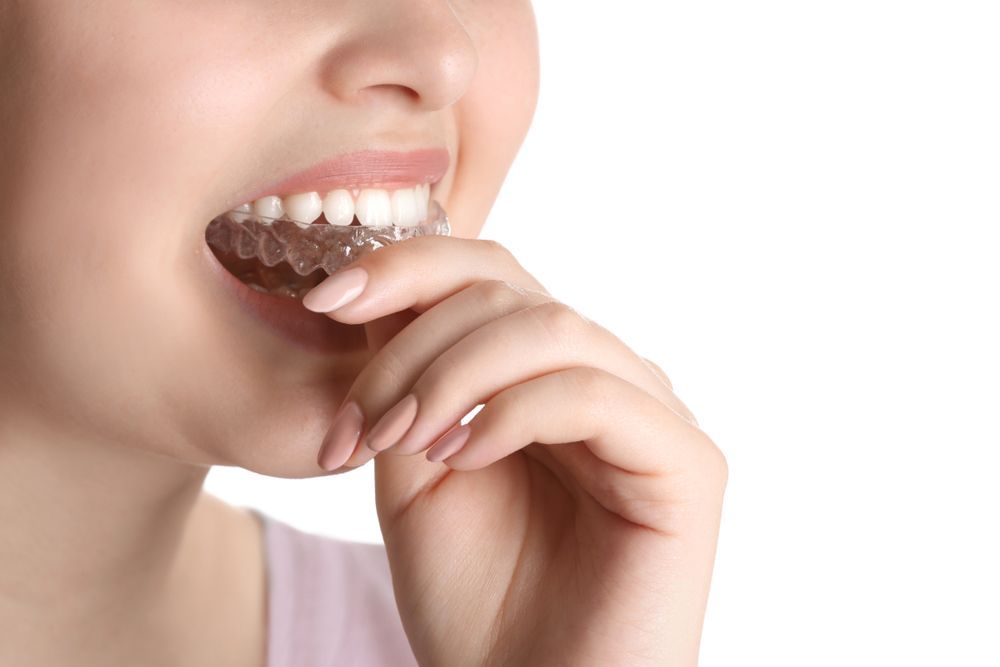
A mandibular advancement splint is an oral appliance designed to hold the lower jaw in a forward position. This helps prevent the tongue and soft tissues in the mouth from falling back and blocking the airway during sleep.
It is a simple and comfortable option for managing mild to moderate obstructive sleep apnoea. Following a sleep study to determine suitability, impressions of your teeth and bite are taken and sent to a laboratory to create a custom-made device. Once ready, the appliance is fitted and monitored, with follow-up assessments to ensure it is working effectively.
CPAP Therapy & Surgical Options
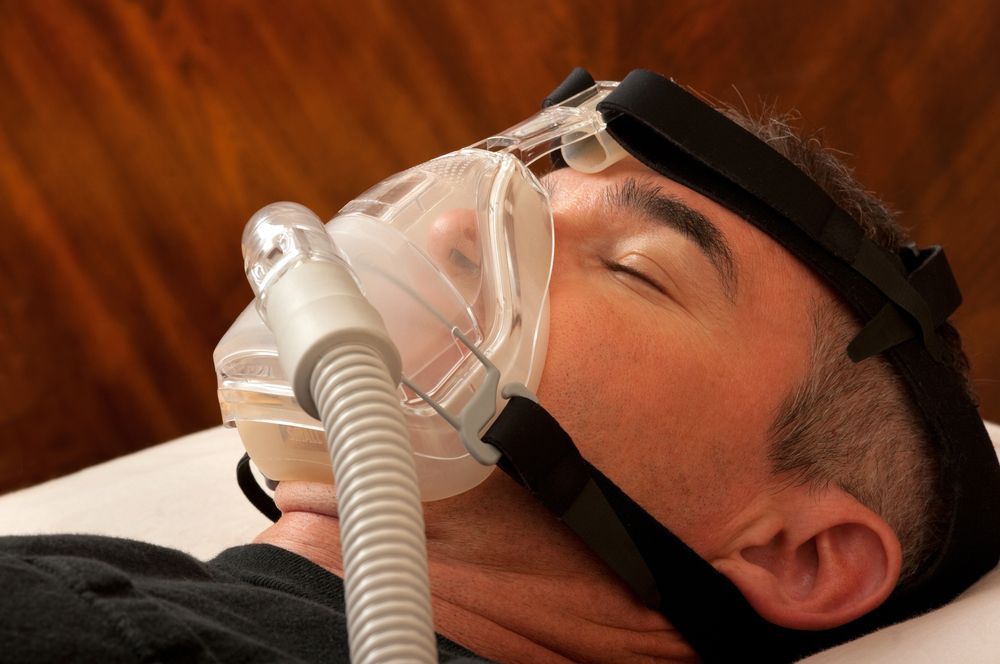
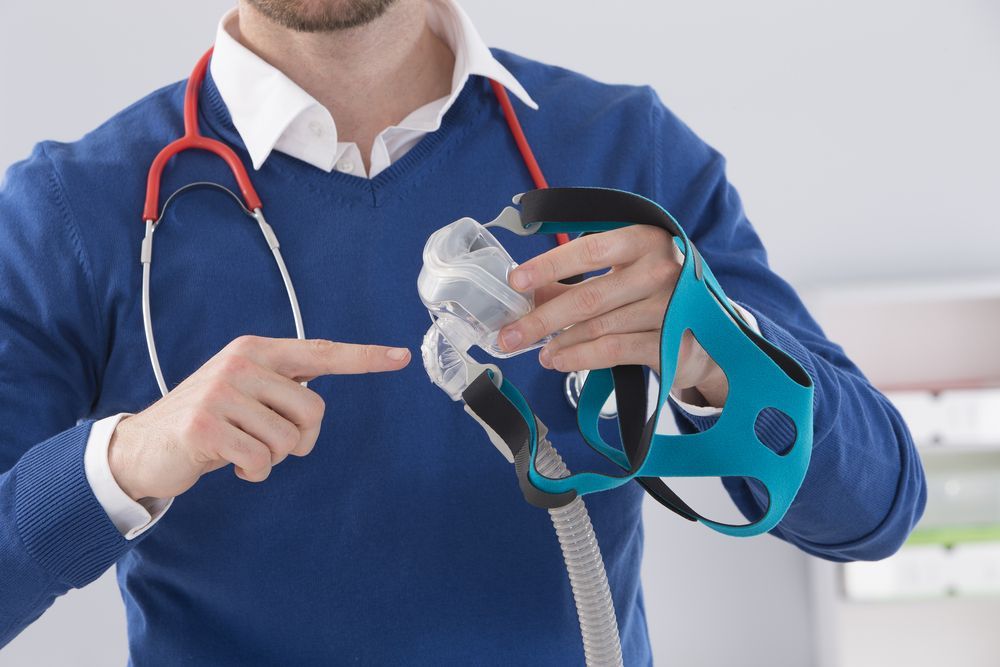
A CPAP (continuous positive airway pressure) machine delivers pressurised air through a mask worn during sleep to help keep the airway open. The device sits beside the bed and connects to a mask via a tube. This treatment may be recommended if obstructive sleep apnoea does not respond to more conservative approaches.
In some cases, surgery may be considered if other treatments are not suitable or effective. This may involve removing tissue from the back of the mouth and upper throat to improve airflow. If you or a family member are experiencing symptoms of sleep-disordered breathing, a consultation can help determine whether further assessment or treatment is required.
Comprehensive Family & Cosmetic Dentistry
If you need a family or cosmetic dentist in and around East Killara, get in touch with Killara Dental. With a comprehensive range of services and a highly experienced team to provide them, why go anywhere else?


